The Trump-Newsom Feud: Political Strategies and Public Perception
The ongoing political clash between California Governor Gavin Newsom and former President Donald Trump has taken an intriguing turn. As accusations fly, the involvement of the Department of Justice (DOJ) has quickly become a focal point. Newsom contends that the Trump administration is targeting his wife through federal investigations, a claim the DOJ has firmly denied. Yet, the political implications of this feud extend far beyond individual allegations; they offer a glimpse into the 2028 electoral landscape and public sentiment.
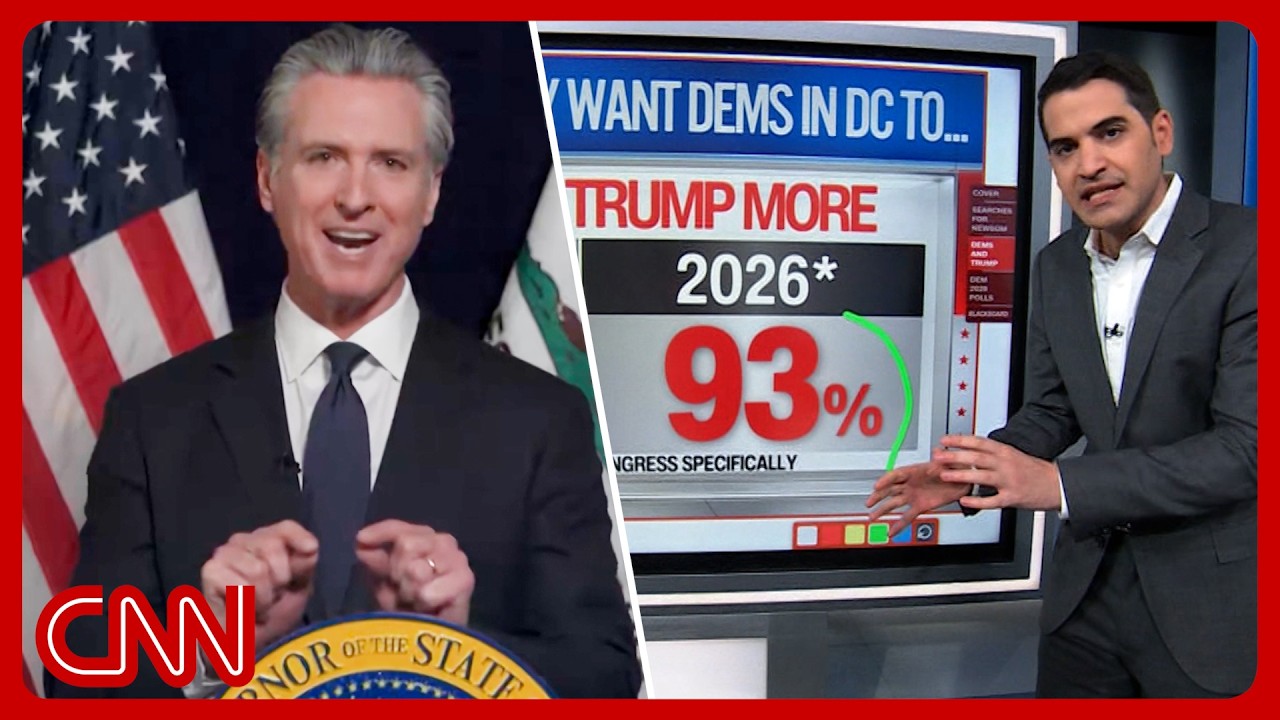
Recent polling data reveals that Democrats are rallying behind leaders who confront Trump directly. Survey results indicate a staggering 93% of Democratic voters nationwide believe their representatives should take a stronger stance against Trump. This sentiment marks a dramatic increase from 2018, when only 63% felt similarly. Newsom is keenly aware of this dynamic, positioning himself as a fighter ready to take on Trump, thereby capturing the attention and support of his party’s base.
A notable surge in interest in Newsom corresponds with his public engagements that mention Trump. Following a recent statement where he accused Trump of personal vendetta against him and his family, Google searches for Newsom skyrocketed by 635%. Such increased visibility is crucial for any presidential candidate seeking to establish their brand in a competitive environment, where name recognition is often the first hurdle to overcome.
The importance of framing cannot be overstated in this political landscape. Newsom’s messaging has sought to portray the DOJ investigation as an orchestrated attack from Trump, emphasizing that he is not merely a victim but a contender worthy of being placed on Trump’s "enemies list." During a press conference, Newsom expressed his discontent, stating, "Put my name on every and any enemies list you have, but leave my wife and family out of your personal vendetta." By leveraging the DOJ’s actions as a political weapon, Newsom hopes to reinforce his narrative of being a fighter against an adversarial administration.
Critics, however, caution that while such framing may energize his base, it also risks backfiring if perceptions of wrongdoing are substantiated. Reports indicate that the investigation centers around tax-related issues involving Newsom’s wife, leading to inquiries from federal agents. This aspect adds a layer of complexity; even if the investigation’s legitimacy is affirmed, Newsom’s portrayal of it as political coercion may still resonate with voters who are wary of government overreach.
Historically, political rivals who have challenged Trump have frequently faced scrutiny from federal agencies, an observation that Newsom has been quick to exploit. The DOJ’s actions, regardless of their legitimacy, fall under the shadow of a presidency characterized by allegations of weaponizing federal institutions for political ends. Legal analysts have noted the potential implications of such a framework, which may affect public trust in both governmental processes and the motives behind them.
The evolving narrative comes as speculation about the 2028 presidential race ramps up. Newsom, who has displayed ambitions for higher office, seems to be utilizing the Trump feud as a means to solidify his position as a frontrunner among Democratic contenders. His performance against Trump, even in an indirect manner, serves to elevate his status and energize the Democratic base that yearns for decisive action against a perceived adversary.
As this political drama unfolds, the question remains: how will public perception shape the future of these nascent campaigns? With political climates as volatile as they are, especially when Trump is involved, candidates like Newsom must carefully navigate the intricacies of both their narratives and the realities of political investigations. In an era where perception frequently equates to reality, how Newsom continues to address these challenges could ultimately define not just his political future, but also the Democratic Party’s strategic alignment heading into the next presidential election.
In summary, the Trump-Newsom feud is more than just personal animosity; it is a political chess game that illustrates the complexities of modern American politics. As both men prepare for what may come next, the landscape for 2028 continues to take shape, influenced by both rhetoric and the underlying currents of public sentiment.